
How to Care for a Dracaena Plant in Your Home
Dracaena plants are a favorite among indoor plant lovers for a reason. These tropical beauties are widely available, easy to care for and add a bit of exotic flair to any home.…
By
•
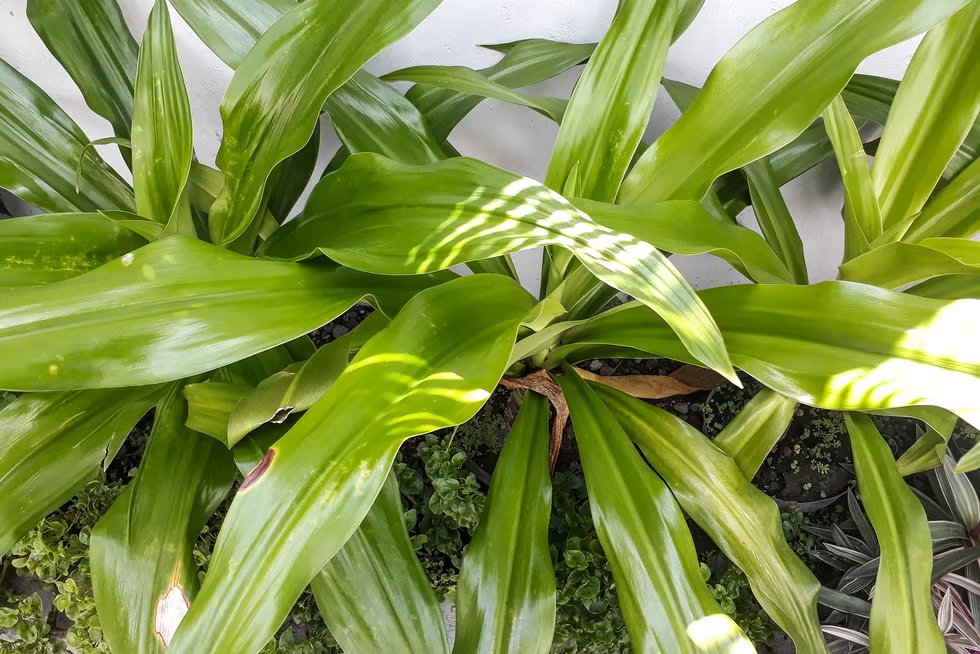
Dracaena plants are a favorite among indoor plant lovers for a reason. These tropical beauties are widely available, easy to care for and add a bit of exotic flair to any home. “Dracaena make great houseplants,” plant expert and consultant Mariah Harman tells GoodHousekeeping.com. Whether you’re new to plant parenting or have perfected your green thumb, dracaena care is fun and easy to master.
There are dozens of species to choose from, ranging from large houseplants to even taller indoor trees, each with its own unique look and charm. You might like the Dracaena marginata, often called the dragon tree, or perhaps you’ll prefer the popular Dracaena fragrans, known as the corn plant. No matter which type of dracaena you pick, they’re all pretty low-maintenance and will effortlessly brighten up your space. Plus, they’re one of the most popular houseplants that purify air.
We’ll cover everything you need to know about how to care for dracaena, including the best light, soil, water, humidity and temperature for your plants. We’ll also discuss common issues like wilted leaves and how to handle pests. You’ll have all the tips and tricks to keep your dracaena healthy and happy—and you might just feel inspired to add even more greenery to your home. (Good thing it’s so easy to buy houseplants online!)
Dracaena Overview
Dracaena plants are native to Africa, Asia and Central America. While there are hundreds of species, they come in two main varieties: trees and succulent shrubs. The tree variants can thrive outdoors in certain parts of the United States, but the shrub varieties are most popular and perfect for indoor environments. These plants belong to the asparagus family and are known for their spiky, colorful foliage, with leaves that can be green, reddish-brown or pale pink.
Dracaenas became popular houseplants not just for their striking appearance, but also for their impressive air-purifying properties. A NASA study, conducted in 1989, discovered that certain dracaena plants help eliminate toxins like benzene, carbon dioxide and formaldehyde from indoor air.
Best USDA Zones for Dracaena
Dracaena plants are versatile and can adapt relatively well to different growing conditions. While they’re typically considered indoor plants in the U.S., some species can be planted outdoors in the right climate.
If you live in USDA Zones 10 to 12, you can grow dracaenas outside year-round. These warm, frost-free areas, like southern Florida and southern California, have the perfect climates for dracaena to thrive. They can grow much larger outdoors—often as tall as 20 feet—so don’t be surprised if your dracaena turns into a full tree.
When choosing a location to plant dracaena, pick a spot with partial shade. If your dracaena gets direct sunlight, try to make sure it’s in the morning to avoid the harsh afternoon rays that can scorch the leaves. The soil in the area should be well-draining and slightly acidic, with a pH between 6.0 and 6.5 to help prevent root rot and keep your plant healthy.
How to Care for Dracaena Plants
Sunlight
Dracaenas can handle lower light conditions, but it’s not ideal long-term. “They truly thrive in bright, indirect light,” says Harman. “A sunny window with sheer curtains or blinds is a great location.” If your dracaena gets too much light, the leaves might scorch and turn brown. On the other hand, too little light can make the leaves pale and droopy.
Soil
For healthy dracaena plants, use a well-draining soil mix. Harman recommends a chunky soil mix with a coco coir base, mixed with plenty of perlite, bark and pumice for drainage. This setup helps prevent root rot, which is a common problem if the roots sit in water too long.
Water
Rather than sticking to a strict watering schedule, check your plant every 7 to 10 days to see if the soil has dried out. “Use your fingers to feel the soil,” Harman says. “If it’s dry down to the first knuckle, it’s time to water.” Every time you water your dracaena, you’ll want to see the water flow through the drainage hole at the bottom of the pot. This is how you know that the entire plant has received enough water.
Humidity and Temperature
Dracaena can thrive in typical household temperatures, between 60 to 80 degrees Fahrenheit. “Avoid placing dracaena near any drafty doors or windows and keep them out of reach from the air conditioner or heaters,” Harman says. “The extreme temperatures can cause plant shock.”
Because they’re tropical plants, they love moisture—so Harman suggests maintaining a humidity level between 40-60%. You can do this by adding a humidifier to your space, lightly misting your dracaena with a spray bottle, keeping your plant in the bathroom or even just grouping plants together.
Common Problems With Dracaena Plants
Pests
Dracaenas can attract pests like spider mites, mealybugs and thrips. “Dusting the leaves often with a damp microfiber cloth will help keep your dracaena pest-free,” Harman says. Regularly inspecting and cleaning your plants can prevent these issues from getting out of control.
Yellow Leaves
Yellowing leaves are usually a sign of overwatering. Make sure you’re letting the soil dry out completely between waterings and always keep the plant in a pot with a drainage hole and well-draining soil.
Brown Tips
Brown tips can mean the plant is getting too much light. It could also be a cry for distilled water, especially if your tap water is hard. Dracaena plants are sensitive to fluorides; try using filtered water a few times a month to see if that helps.
Droopy Leaves
Droopy, wilted leaves often signal too little light or too much water. Check your plant’s light exposure and moisture levels, and let the soil dry out before watering again. This could also indicate a lack of proper nutrients, which can be remedied with fresh soil or added fertilizer.
Scorched Leaves
Too much direct sunlight can scorch the leaves. Move your dracaena to a spot with even less indirect light or use a sheer curtain to block some of the sun’s rays.
Fungal Issues
If the soil stays too wet, your dracaena could develop fungal leaf spots. Similar to yellowing leaves, this is a reminder to avoid overwatering and ensure your pot has good drainage.